when choosing an overseas host, in addition to technology and cost, legal and data governance risks must also be taken into consideration. this article provides key points on how to assess and reduce compliance and data sovereignty risks when deploying u.s. vps in different u.s. states from the dimensions of jurisdiction, state-level privacy laws, industry compliance requirements, and actual computer room controls, helping decision makers clarify the questions to ask and the technical and contractual protective measures that can be taken.
which state’s laws have a greater impact on data sovereignty ?
u.s. federal laws such as law enforcement subpoenas or
where can i check the scope of legal application in the location of the computer room?
the service provider should be required to clarify the location of the physical computer room and make inquiries based on the state's privacy, data breach notification time limits, and industry regulatory provisions. authoritative sources of information include state government websites, law firm compliance guides, and service providers’ transparency reports and compliance certificates (such as soc2/iso27001).
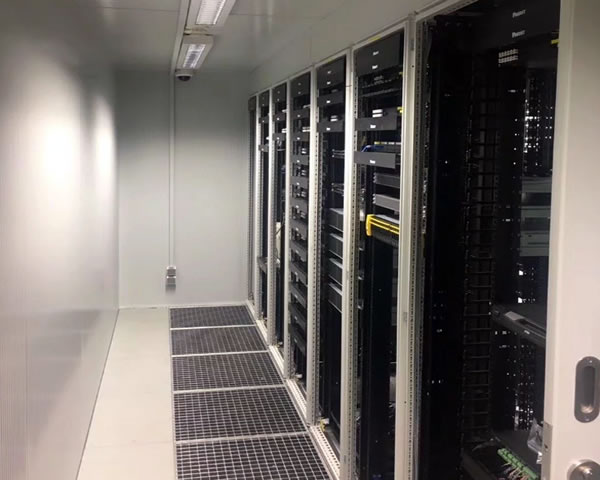
why should we pay attention to the physical control and certificates of the computer room?
physical security, third-party audit certificates, and demonstrable operational controls reduce passive risk. certificates demonstrate that operational processes and security practices comply with industry standards, but they cannot completely replace the protection of data sovereignty through contractual terms and technical encryption.
how to evaluate suppliers’ commitment to legal compliance?
key points to evaluate include: whether a clear list of sub-processors is provided, whether a data processing agreement (dpa) can be signed, whether customers are supported to manage their own encryption keys, and whether there are transparency reports and legal response processes. business parties should be required to include data access notices, legal subpoena handling procedures, and dispute resolution locations in the contract.
how to technically reduce the risks posed by interstate laws?
end-to-end encryption, client-side key management, minimal data retention, geo-redundancy and partitioned storage reduce the impact of legally mandated access to core data. for sensitive data such as health or financial information, you should also consider placing critical services in controlled compliance areas or using dedicated physically isolated resources.
how much does it cost to protect compliance and data sovereignty?
costs vary depending on the solution: choosing a computer room with a compliance certificate, purchasing a dedicated host or a private vpc will be more expensive; while technical measures (encryption, key management, monitoring, log auditing) and legal contracts are necessary long-term investments. the risk cost of a potential data breach versus regulatory fines should be included in the assessment.
which industry or scenario requires stricter computer room selection standards?
medical (subject to hipaa), financial (subject to nydfs/pci requirements), government and critical infrastructure projects have higher requirements for physical isolation, audit traceability and contract constraints. in such scenarios, it is recommended to give priority to service providers with industry compliance experience and the ability to sign customized contracts.
in the actual procurement process, in addition to technology and price, contract terms, legal response mechanisms, auditing and transparency, and implementable technical controls must be included as decision-making factors; at the same time, communicate with legal advisors about applicable regulations in specific industries and formulate practical risk mitigation plans.

- Latest articles
- Popular tags
-

Recommendations And Reviews Of Cheap Vps Rental Websites In The United States
this article recommends and reviews cheap vps rental websites in the united states to help you choose the right service. -
From Games To CDN Scenarios, The Real Conclusion Of Comparing Which VPS Is Faster, The United States Or Hong Kong?
Based on real tests and cases, this article compares the latency, bandwidth, and anti-DDoS performance of U.S. and Hong Kong VPS in gaming, CDN, and large traffic scenarios, and provides practical deployment suggestions and configuration examples. -

Cheap Annual Vps In The United States Is Recommended For Individual And Business Users
this article recommends cheap annual vps in the united states suitable for individual and corporate users, covering server configuration, real cases and selection suggestions.